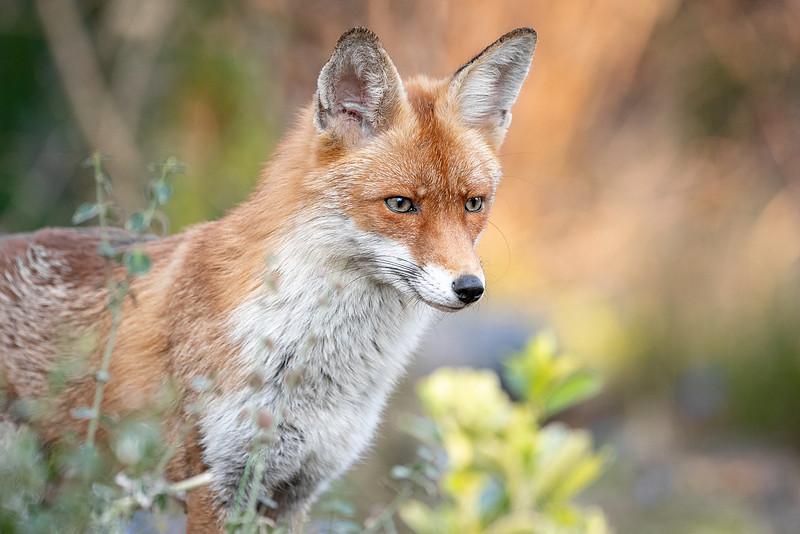
The red fox is one of the most fascinating wild animals in the world. With its beautiful reddish-orange coat, fluffy tail, sharp senses, and clever hunting skills, this remarkable animal has captured people’s attention for centuries. From forests to busy cities, red foxes have developed amazing ways to survive.
1. What Is a Red Fox?
The red fox (Vulpes vulpes) is a medium-sized wild mammal belonging to the Canidae family. This family also includes wolves, coyotes, jackals, and domestic dogs. Red foxes are among the most widely distributed wild land mammals, making them an interesting subject for wildlife lovers and nature photographers.
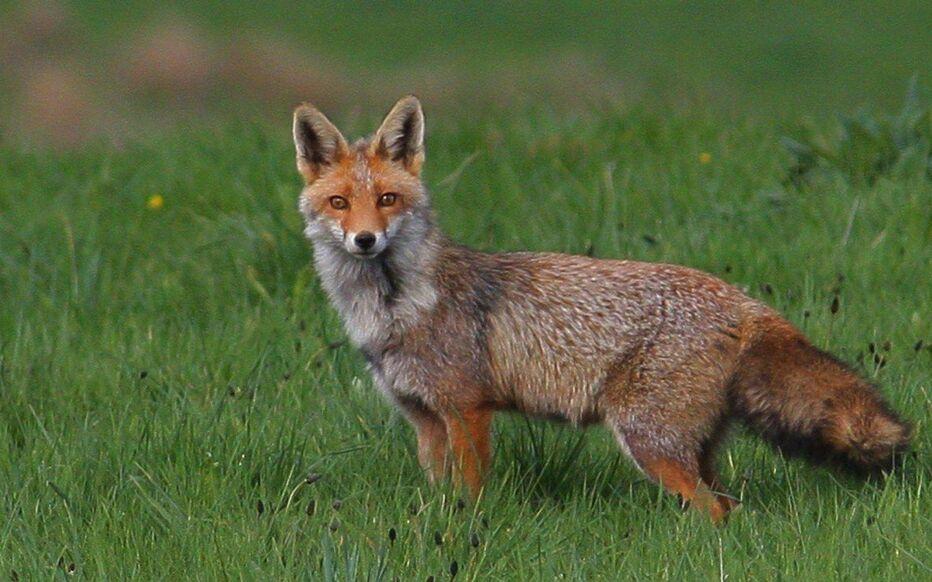
They are easily recognized by their pointed ears, narrow faces, slim bodies, and long bushy tails. Although their name suggests that all red foxes have bright red fur, their colors can vary. Some have golden-orange coats, while others have darker reddish-brown, silver, or almost black fur.
Red foxes are known for their intelligence and ability to adjust to changing environments. They can survive in forests, grasslands, mountains, farmland, and even urban neighborhoods. Their flexible behavior and feeding habits make them one of the most successful members of the fox family.
Red foxes have an extremely wide geographic distribution. They are naturally found throughout much of Europe, Asia, and North America. They have also been introduced to Australia and several other regions, where their presence has created environmental challenges for native wildlife.
Their preferred habitats include forests, open grasslands, mountains, agricultural fields, and areas with plenty of vegetation. These environments provide opportunities to find food, hide from predators, and raise their young. They can also use underground spaces, rock crevices, and abandoned burrows for shelter.
One surprising fact about red foxes is their ability to live close to people. They are frequently seen in suburban neighborhoods, public parks, and gardens. Some urban foxes learn to search for food around rubbish bins and residential areas. Their ability to adjust to different surroundings is a major reason for their widespread success.
3. What Do Red Foxes Eat?
Red foxes are omnivores, meaning they eat both animals and plants. They are opportunistic feeders, so they do not depend on one particular food source. Instead, they eat whatever is available in their surroundings.
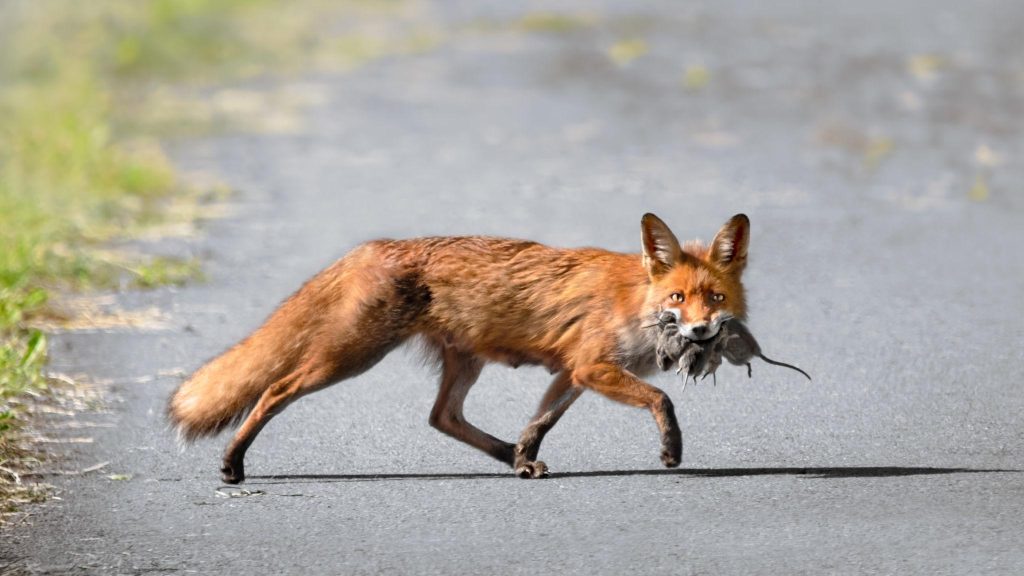
Their diet commonly includes mice, voles, rabbits, birds, eggs, insects, frogs, and earthworms. They also enjoy berries, fruits, and other plant materials. In agricultural and urban environments, they may occasionally eat discarded food and other accessible human food sources.
Their feeding habits change throughout the year. During warmer months, insects and fruits may become more available. In colder seasons, they often depend more heavily on small mammals and other prey. This flexible diet helps them survive even when particular food sources become scarce.
4. The Amazing Hunting Skills of Red Foxes
Red foxes are excellent hunters with impressive listening and observation skills. Their large ears help them detect faint sounds made by small animals moving underneath leaves, grass, or snow. Once they locate possible prey, they carefully focus on its position.
One of their most recognizable hunting techniques is the mouse pounce. A fox may stand still, tilt its head, and listen carefully before suddenly jumping into the air and landing with its front paws on the prey.
This technique allows them to catch small animals that are difficult to see. They also use their speed, sharp teeth, and quick movements to catch other prey. Their hunting methods demonstrate how their physical abilities and intelligence work together.
5. Why Do Red Foxes Have Bushy Tails?
The red fox’s bushy tail is one of its most recognizable features. Often called a brush, the tail can measure approximately 30 to 55 centimeters in length. It is covered in thick fur and usually has a noticeable white tip.
The tail has several important functions. First, it helps the fox maintain balance when running, jumping, and making sudden turns. This is particularly useful when chasing prey or escaping danger.
It also provides warmth during cold weather. A red fox can curl its body and place its bushy tail around its face and body while resting. This helps reduce heat loss and protects sensitive areas from cold air.
The tail may also play a role in communication through body positioning. Its movement and position can help other foxes understand the animal’s behavior.
6. How Fast Can a Red Fox Run?
Red foxes are surprisingly fast animals. They can reach speeds of approximately 50 kilometers per hour over short distances, although their actual speed depends on the individual and conditions.
Their slim bodies, strong legs, and flexible movements allow them to move quickly across different types of terrain. They can run through grasslands, forests, and open fields while changing direction rapidly.
Speed is especially important when hunting or escaping predators. A fox may use quick movements to catch smaller animals or avoid being caught by a larger predator. However, running is not their only survival strategy. They also rely on hiding places, sharp senses, and careful observation.
7. Are Red Foxes Nocturnal?
Red foxes are often described as nocturnal animals because they are frequently active during nighttime. However, they are not strictly nocturnal. Their activity patterns can change depending on their habitat, food availability, and human activity.
In rural environments, red foxes may be active during the early morning, evening, and nighttime. In urban areas, they often become more active after sunset because fewer people and vehicles are around.
During the daytime, they may rest in sheltered places such as dense vegetation, woodland areas, or underground dens. However, seeing a red fox during daylight is not automatically a sign that it is sick or behaving abnormally.
Their ability to adjust their daily routines is another example of their remarkable adaptability.
8. Red Fox Communication and Social Behavior
Red foxes communicate using sounds, body language, and scent markings. Their communication helps them recognize other foxes, establish territories, find mates, and maintain family relationships.
They produce several different sounds, including barks, screams, whines, and short contact calls. Some of their vocalizations are especially noticeable during the breeding season. These sounds can sometimes be heard at night and may surprise people who are unfamiliar with fox behavior.
Although red foxes are generally solitary animals, they can live in small family groups. These groups may include a breeding pair and their young. Some family members may remain together for a period while the young foxes develop their survival skills.
Scent marking is also important. Foxes use urine and other scent signals to communicate information about their presence and territory.
9. Red Fox Babies: What Are They Called?
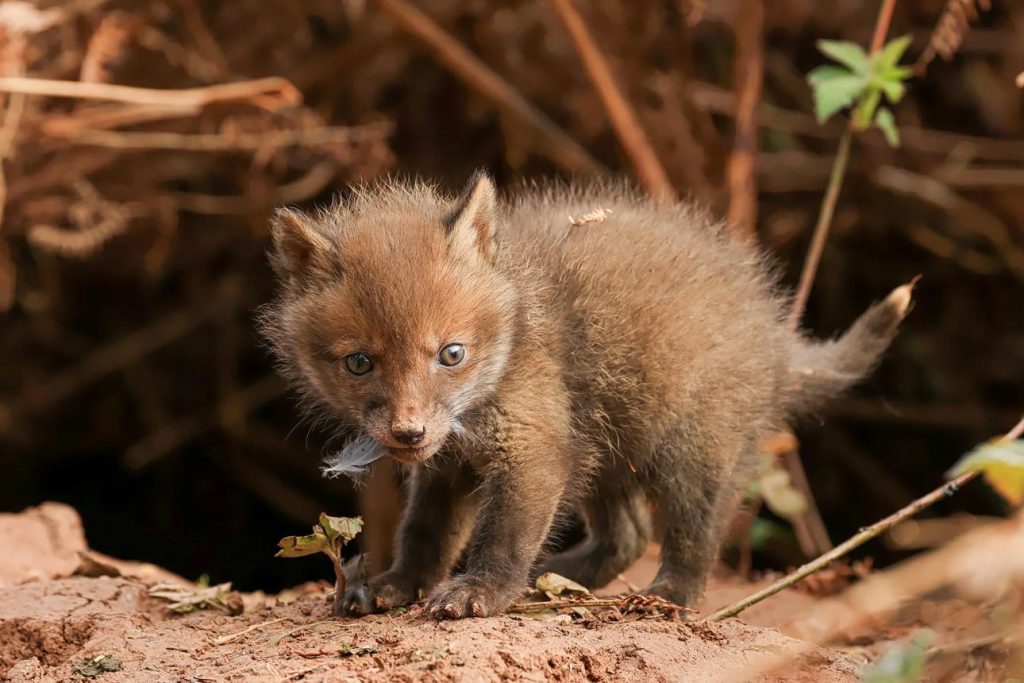
Baby red foxes are commonly called kits or cubs. They are usually born in an underground den, where they remain protected during their early development.
A female red fox generally gives birth to a litter of around four to six kits, although the number can vary. Newborn kits are very small and helpless. Their eyes are closed, their ears are not fully developed, and they depend on their mother for warmth and nourishment.
As they grow, their eyes open and they begin exploring the area around their den. Their parents help provide food and protection while the young foxes develop their physical abilities.
Eventually, the kits begin learning how to find food and recognize potential dangers. They gradually become more independent and may leave the family group to establish their own territories.
10. How Do Red Foxes Survive Winter?
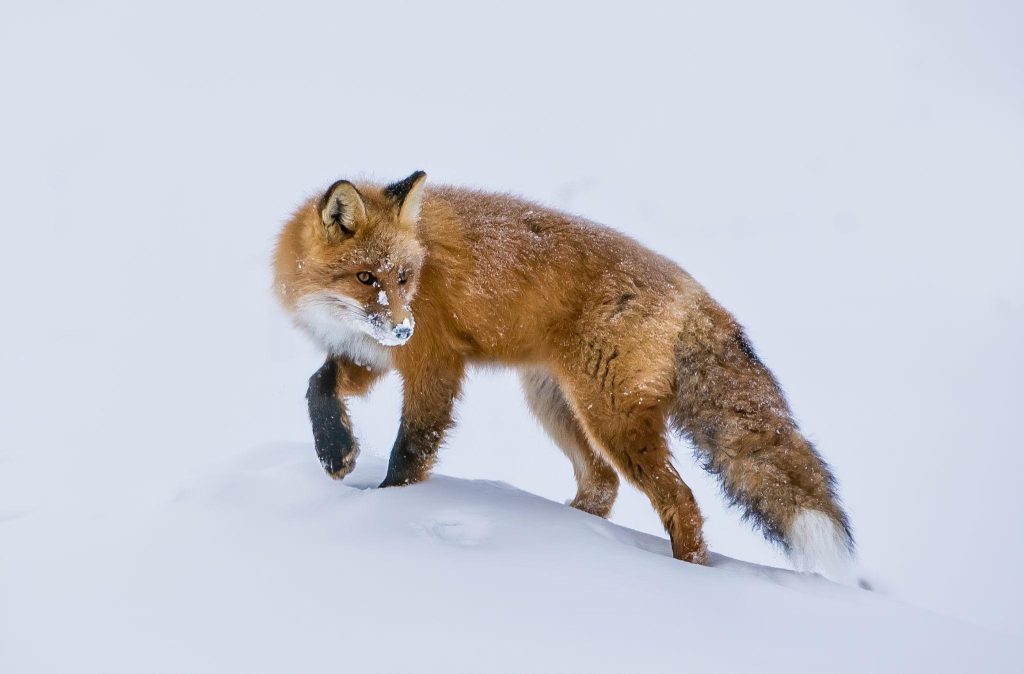
Red foxes have several adaptations that help them survive cold weather. One of the most important is their thick seasonal coat. Their winter fur becomes denser and provides additional insulation against low temperatures.
Their bushy tails also help keep them warm. When resting, they can curl up and use their tails as natural coverings. Their thick fur protects much of their body from cold winds and snow.
Red foxes also change their feeding behavior according to the availability of food. They may hunt small mammals and store extra food in shallow hiding places for later use.
Their ability to find shelter, adjust their diet, and maintain body warmth allows them to survive in regions with very cold winters.
11. Are Red Foxes Dangerous to Humans?
Red foxes are generally shy animals and usually avoid direct contact with people. They are not naturally aggressive toward humans and will normally move away when they feel threatened.
However, like other wild animals, they may bite if frightened, cornered, injured, or handled. They can also carry diseases and parasites, including rabies in regions where the disease is present.
People should avoid feeding, touching, or attempting to capture wild foxes. Feeding them can encourage repeated visits and make them less cautious around people.
If a fox appears seriously injured, unusually aggressive, or very unwell, contacting local wildlife authorities or animal rescue professionals is the safest option.
12. Natural Predators and Threats
Despite their hunting abilities, red foxes face several natural threats. Depending on the region, larger predators such as wolves, coyotes, and large birds of prey may attack them.
Young foxes are especially vulnerable because they have less experience and are not as physically strong as adults. Their underground dens and sheltered resting places provide protection during their early development.
Human activities also create challenges. Road accidents, habitat destruction, hunting, trapping, and environmental changes can affect local fox populations.
Diseases such as mange and rabies can also cause serious problems. These threats demonstrate why maintaining healthy habitats and responsible wildlife management are important.
13. Why Are Red Foxes Important to Nature?
Red foxes play an important role in maintaining ecological balance. Their hunting activities help control populations of small mammals, including rodents. This can influence vegetation, agricultural areas, and other parts of the ecosystem.
They also eat insects, birds, eggs, and fruits. By consuming fruits and passing some seeds through their digestive systems, they may contribute to seed dispersal in certain environments.
Red foxes are also part of the food chain. They can become prey for larger predators and may provide food for scavengers after death.
Their ecological role depends on the environment in which they live. Understanding these relationships helps explain why foxes are important members of many natural ecosystems.
14. Can Red Foxes Live in Cities?
Yes, red foxes are highly adaptable and can survive in many urban environments. They are increasingly seen in residential neighborhoods, gardens, parks, and other green spaces.
Cities can provide several food opportunities, including rodents, insects, fallen fruit, and discarded food. Buildings, gardens, and other structures may also offer places to hide and rest.
Urban foxes often become active during quieter hours to avoid busy streets and large numbers of people. They may also learn which areas provide reliable food sources.
However, city life creates risks. Traffic accidents, diseases, unsuitable food, and conflicts with pets can threaten their safety. Keeping rubbish secure and avoiding intentional feeding can help reduce these problems.
15. How Can We Protect Red Foxes?
Red foxes are currently classified as Least Concern globally on the IUCN Red List. However, local populations may face different challenges depending on habitat conditions and human activities.
Protecting natural spaces is one important way to support wildlife. Forests, grasslands, and other habitats provide food, shelter, and safe places for animals to raise their young.
People can also help by driving carefully in areas where wildlife is common, keeping rubbish secure, and avoiding unnecessary disturbance of dens. Farmers can use suitable methods to protect poultry and livestock while reducing harm to wild animals.
Education is equally important. Learning about red fox behavior helps people understand how to share their environment with wildlife. Even small actions can contribute to healthier ecosystems and safer conditions for these remarkable animals.
Frequently Asked Questions (FAQs)
1. How long do red foxes live?
Red foxes typically live around two to five years in the wild, although some individuals survive longer. Their lifespan depends on food availability, disease, predators, habitat conditions, and human-related dangers. Foxes living in protected environments or captivity may live considerably longer with proper care.
2. Can red foxes climb trees?
Red foxes are not specialized tree climbers like some other mammals. However, they can climb certain low, sloping, or accessible tree structures. Their strong legs and sharp claws help them move over obstacles, although climbing is not a major part of their normal daily behavior.
3. What is the scientific name of the red fox?
The scientific name of the red fox is Vulpes vulpes. It belongs to the Canidae family, which includes dogs, wolves, and other fox species. Scientists use this scientific name to identify the species consistently across different countries and languages.