The Golden Snub-Nosed Monkey: China’s Endangered “Ewok” of the Mountains
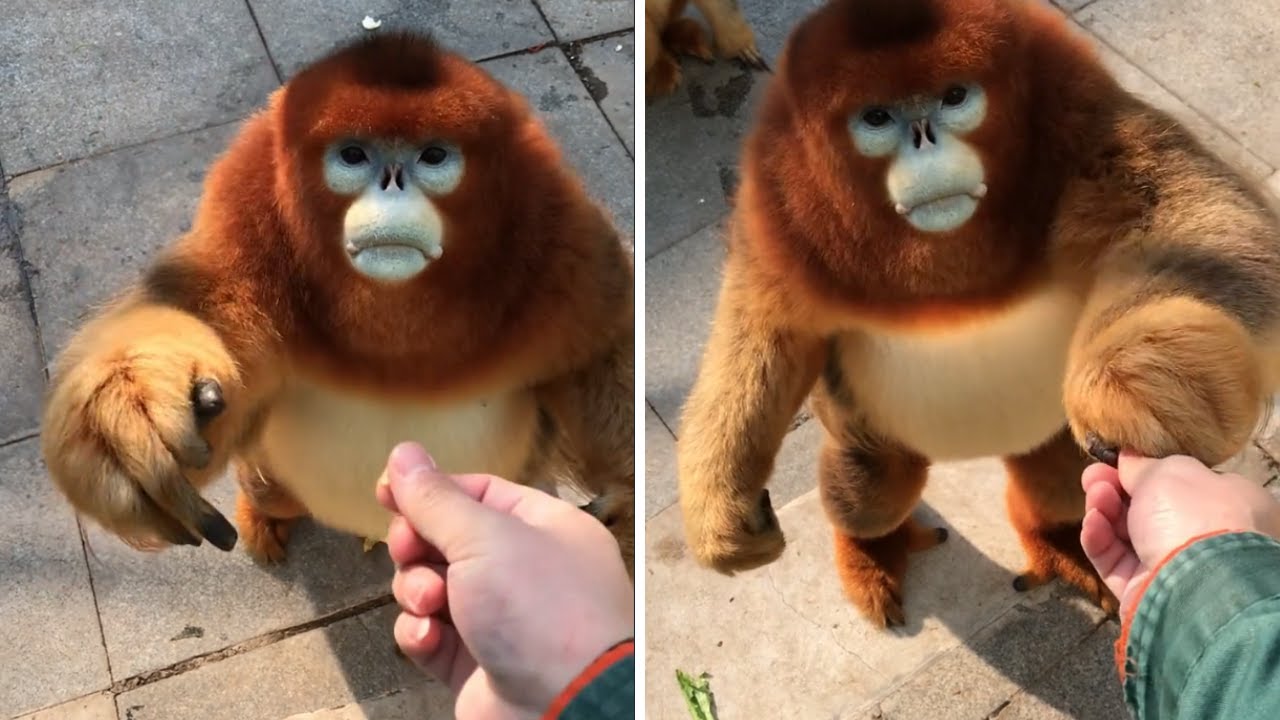
The golden snub-nosed monkey (a member of the Cercopithecidae family) has recently captured the internet’s heart, but there is much more to this primate than just viral clips. Often referred to as Sichuan snub-nosed monkeys, these creatures are primarily found in the mountainous forests of Southwestern China.
Remarkable Adaptations for Survival
One of the species’ most impressive traits is its extraordinary resilience to cold temperatures, an adaptation that distinguishes them from many other primates. To survive harsh climates, they possess dense fur and practice communal sleeping to retain warmth.
Their diet is predominantly herbivorous. While they are famous for eating berries, their primary food source consists of lichens, supplemented seasonally by seeds, fruits, foliage, bark, and herbs.
Social Structures and Group Protection
These primates are highly social, living in cohesive groups of 5 to 10 individuals where social bonds are carefully fostered.
Within these communities:
- Females form tight-knit alliances to maintain group stability.
- Males may occasionally roam solo, although the group remains the primary unit.
- Collective protection is a priority. When predators such as wolves, leopards, or golden eagles threaten the group, the juveniles are moved to the center for safety.
The Viral ASMR Sensation
The species gained international fame through footage of a monkey munching on berries, which many viewers compared to the fictional “Ewoks” from the Star Wars universe. Beyond the visual charm, the ASMR-like sounds produced by the monkey while eating captured the fascination of audiences worldwide, highlighting the endearing nature of these endangered animals.
Video Credit & More Info: Soggy Toothpicks/Youtube
A Success Story in Coexistence
The survival of the golden snub-nosed monkey is a testament to local conservation efforts. In China’s Maoping village, residents demonstrate a profound commitment to wildlife preservation, living in harmony with these monkeys as well as other rare species like giant pandas and crested ibises.
This community-driven approach is vital for the continued protection of such a unique species.