Introduction
Welcome to the World of Alaska Moose! Have you ever wondered what life is like for the largest member of the deer family in the rugged wilderness of Alaska? These majestic giants are not only a sight to behold but also play a crucial role in their ecosystem. Let’s dive deep into the fascinating world of Alaska moose and discover what makes them so unique.
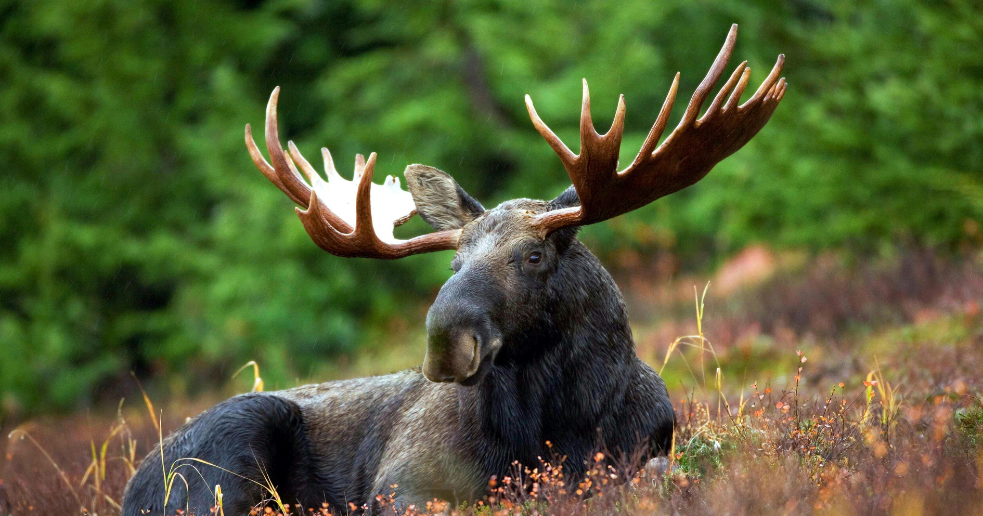
#1. Brown Moose
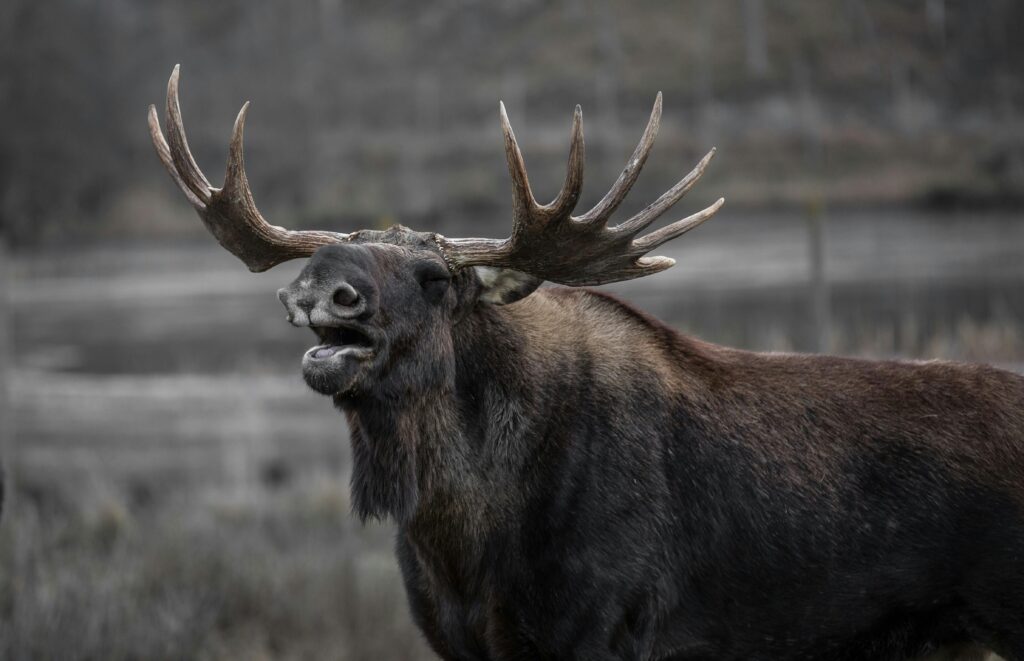
#2. Brown Moose
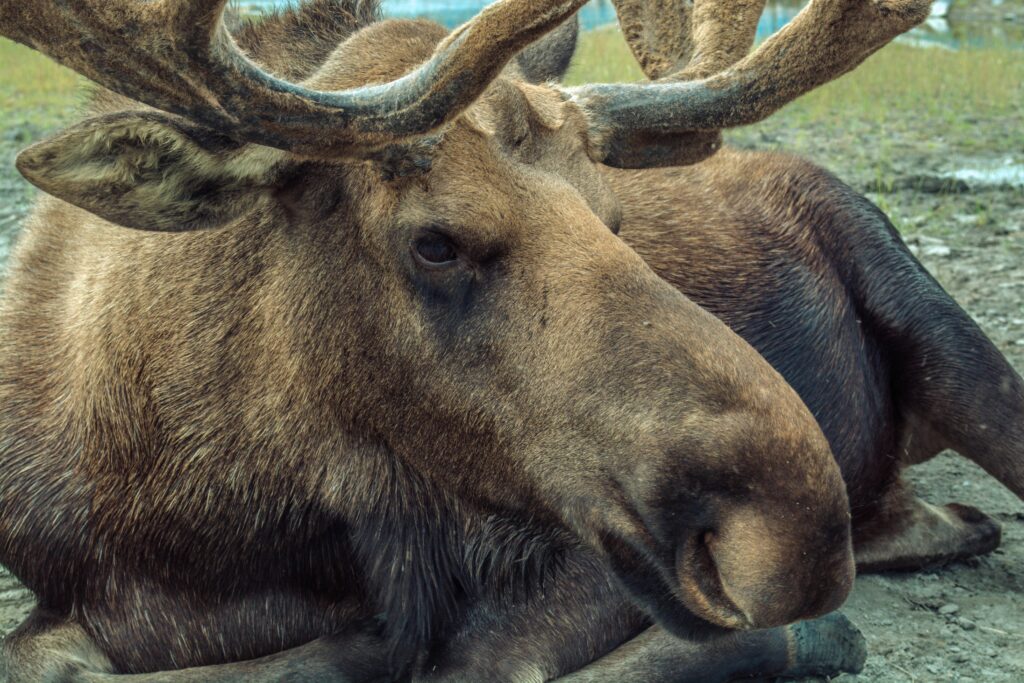
Overview of Alaska Moose
General Characteristics
Alaska moose, scientifically known as Alces alces gigas, are the largest subspecies of moose. These colossal creatures are well-adapted to the harsh climates of Alaska and thrive in its diverse habitats.
Physical Appearance
One of the most striking features of Alaska moose is their impressive size and distinctive antlers. Males, known as bulls, grow enormous, palmate antlers that can span up to six feet across. These antlers are shed and regrown annually, with each year potentially producing larger and more complex structures.
Size and Weight
Adult male moose can weigh anywhere from 1,200 to 1,600 pounds, while females, or cows, are slightly smaller, weighing between 800 and 1,300 pounds. Their height at the shoulder ranges from five to six and a half feet, making them truly formidable in stature.
Habitat and Range
Alaska moose are predominantly found in the boreal forests, tundra, and mixed woodland areas of Alaska. They adapt well to a variety of environments, from dense forests to open plains, and are particularly abundant in areas with plentiful food sources.
Behavior and Social Structure
Daily Activities
Moose are generally solitary animals, except during the mating season and when cows are raising their young. They are most active during dawn and dusk, spending these twilight hours feeding and moving about.
Feeding Habits
As herbivores, moose have a diverse diet that changes with the seasons. In the summer, they graze on a variety of plants, including willow, birch, and aspen leaves. Winter forces them to rely more on woody vegetation and bark.
Migration Patterns
Moose are known to migrate in response to seasonal changes. During the warmer months, they move to higher elevations or northern areas to access lush feeding grounds. In winter, they descend to lower elevations to find food and shelter from deep snow.
Social Hierarchy
While generally solitary, moose have a loose social hierarchy. Bulls establish dominance during the mating season through displays of antler size and sparring matches, while cows form maternal bonds with their calves.
Diet and Nutrition
Seasonal Diets
Moose diets vary significantly between seasons, ensuring they get the necessary nutrients year-round. Their large, specialized stomachs allow them to digest a variety of plant materials that many other animals cannot.
Summer Feeding
In the summer, moose enjoy an abundance of fresh vegetation. They primarily feed on the leaves of shrubs and trees, aquatic plants, and a variety of grasses. This diet helps them build fat reserves for the harsher winter months.
Winter Diet
Winter presents a challenge as fresh vegetation becomes scarce. Moose then switch to eating twigs, bark, and the buds of trees and shrubs. Their ability to digest tough plant material helps them survive when other food sources are limited.
Nutritional Needs
Moose require a substantial amount of food to maintain their massive bodies. On average, an adult moose consumes about 40 to 60 pounds of food per day during the summer and somewhat less in the winter.
Reproduction and Lifespan
Mating Season
The mating season, or rut, occurs in the fall. During this time, bulls compete for the attention of cows through displays of strength and antler size. The largest and strongest bulls typically have the most success in mating.
Courtship Rituals
Courtship involves a variety of behaviors, including vocalizations, antler displays, and physical confrontations. Bulls may also dig rutting pits and urinate in them to attract cows with the scent.
Calving Period
After a gestation period of about eight months, cows give birth to one or two calves in late spring or early summer. Calves are born with a reddish-brown coat, which helps them blend into their surroundings and avoid predators.
Lifespan and Mortality
In the wild, moose have a lifespan of about 15 to 20 years. However, many factors, including predation, disease, and harsh environmental conditions, can impact their longevity.
Predators and Threats
Natural Predators
Despite their size, moose have several natural predators. Predation is a significant cause of mortality, especially for calves and weaker individuals.
Wolves
Wolves are one of the primary predators of moose. They often hunt in packs, targeting calves or sick and old moose that are easier to bring down.
Bears
Both black and grizzly bears prey on moose, particularly calves. Bears typically hunt moose during the spring when calves are most vulnerable.
Human Impact
Human activities have also posed significant threats to moose populations. Hunting and habitat destruction are the main concerns.
Hunting
Regulated hunting is allowed in Alaska, and moose are a popular target due to their size and the quality of their meat. However, overhunting can lead to population declines if not managed properly.
Habitat Loss
Development and deforestation have led to habitat loss, reducing the available range and food sources for moose. Conservation efforts are crucial to mitigate these impacts.
Moose and the Environment
Role in the Ecosystem
Moose play a vital role in their ecosystems. Their feeding habits help shape the vegetation and influence the overall health of the habitat.
Plant Population Control
By browsing on shrubs and young trees, moose help control plant populations, preventing overgrowth and maintaining a balanced ecosystem.
Soil Fertility
Moose contribute to soil fertility through their droppings, which act as a natural fertilizer, enriching the soil and promoting plant growth.
Interaction with Other Species
Moose interact with various species in their habitat, from predators to other herbivores. These interactions can influence the behavior and population dynamics of other animals.
Conservation Efforts
Current Conservation Status
The conservation status of Alaska moose is generally stable, but localized populations can be at risk due to various threats.
Protection Laws
Various laws and regulations are in place to protect moose populations, including hunting regulations and habitat conservation initiatives.
Wildlife Management Practices
Wildlife management practices aim to balance moose populations with their habitat, ensuring sustainable numbers and healthy ecosystems.
How You Can Help
Individuals can contribute to moose conservation by supporting conservation organizations, following hunting regulations, and advocating for habitat protection. Every effort counts in preserving these majestic giants for future generations.
Fun Facts about Alaska Moose
Unique Behaviors
Did you know that moose are excellent swimmers? They can swim at speeds of up to six miles per hour and can stay submerged for over 30 seconds. This skill helps them escape predators and access food sources in aquatic environments.
Record-Breaking Moose
The largest recorded Alaska moose had antlers spanning over 80 inches and weighed more than 1,800 pounds. These giants truly exemplify the awe-inspiring nature of moose.
Cultural Significance
Moose hold a special place in the culture and traditions of Alaska’s indigenous peoples. They are often featured in stories, art, and as an essential resource for food and materials.
Conclusion
The Alaska moose, with its towering stature and impressive antlers, is a symbol of the wild, untamed beauty of the northern wilderness. These majestic giants play a crucial role in their ecosystem, from controlling plant populations to enriching the soil. Despite the challenges they face from predators and human activities, ongoing conservation efforts are vital to ensure their survival.
By understanding and appreciating the life of Alaska moose, we can contribute to their preservation and ensure that these magnificent creatures continue to roam the wilds of Alaska for generations to come.
FAQs
What is the average lifespan of an Alaska moose?
Alaska moose typically live between 15 to 20 years in the wild, though factors like predation, disease, and environmental conditions can impact their longevity.
How much does an adult Alaska moose weigh?
Adult male moose (bulls) can weigh between 1,200 to 1,600 pounds, while females (cows) generally weigh between 800 to 1,300 pounds.
What do Alaska moose eat in winter?
In winter, moose primarily feed on woody vegetation such as twigs, bark, and buds from trees and shrubs, as fresh vegetation is scarce.
Are Alaska moose endangered?
While Alaska moose are not currently endangered, localized populations can be at risk due to factors like habitat loss and hunting. Conservation efforts are crucial to maintaining stable populations.
How can people help in moose conservation?
People can help by supporting conservation organizations, adhering to hunting regulations, advocating for habitat protection, and promoting awareness about the importance of moose in the ecosystem.