Introduction
One of the worst things a pet parent may go through is losing a dog they loved. Our furry friends are more than simply pets; they’re family. They grow up with us, make us feel better, and become a part of our lives that we can’t live without. Seeing signals that they might be coming to the end is just awful. But knowing these indications helps us give them comfort, compassion, and tranquility in their last days.
Let’s go over the 11 most prevalent and emotional symptoms that your dog may be getting close to the end of their lovely life.
1. A big drop in energy

From fun to not doing anything
One of the most obvious differences is how much energy your dog has. A puppy that used to be full of energy might now want to sleep all day. They don’t walk as far, and even wagging their tails seems hard.
When naps turn into sleep all day
It’s normal for older dogs to sleep more than usual, but if your dog is sleeping too much and is hard to wake up, it could mean that their body is slowly shutting down.
2. Not wanting to eat or drink
Not eating meals often
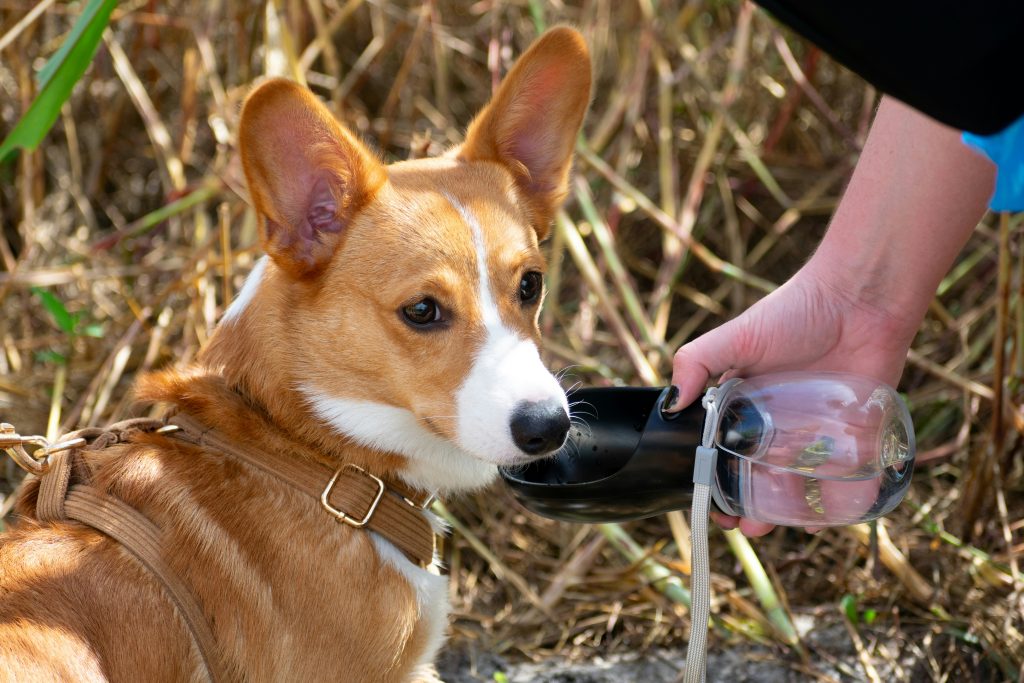
It’s a big red sign if your dog keeps ignoring their food bowl. Their body may be shutting down organs within, which can make them lose their appetite.
Signs and hazards of dehydration
Not being thirsty can easily lead to dehydration. Dry gums, sunken eyes, and feeling tired are all symptoms that you are dehydrated and your health is becoming worse.
3. Hard to breathe
Breathing that is hard or loud
Breathing that sounds strained, harsh, or uneven might be a sign of major health problems, such as heart disease or organ failure.
Breathing hard without doing anything
If your dog pants when he’s resting or when it’s cool outside, it could signal he’s in pain or distress.
4. Accidents and incontinence indoors
Not being able to regulate your bladder or bowels

If your house-trained dog starts having a lot of accidents inside, it could be because their muscles are weak or they are confused.
What this might mean
Incontinence often signals that your dog’s physical functions are beginning to fail, a common sign toward the end.
5. Extreme Weight Loss
Muscle mass fading
You may notice your dog looking thinner, even though they’re eating the same or less. Muscle atrophy is common in aging dogs.
Bones becoming prominent
When ribs, spine, or hips become more visible, it may mean the body is no longer properly absorbing nutrients.
6. Withdrawal and Isolation
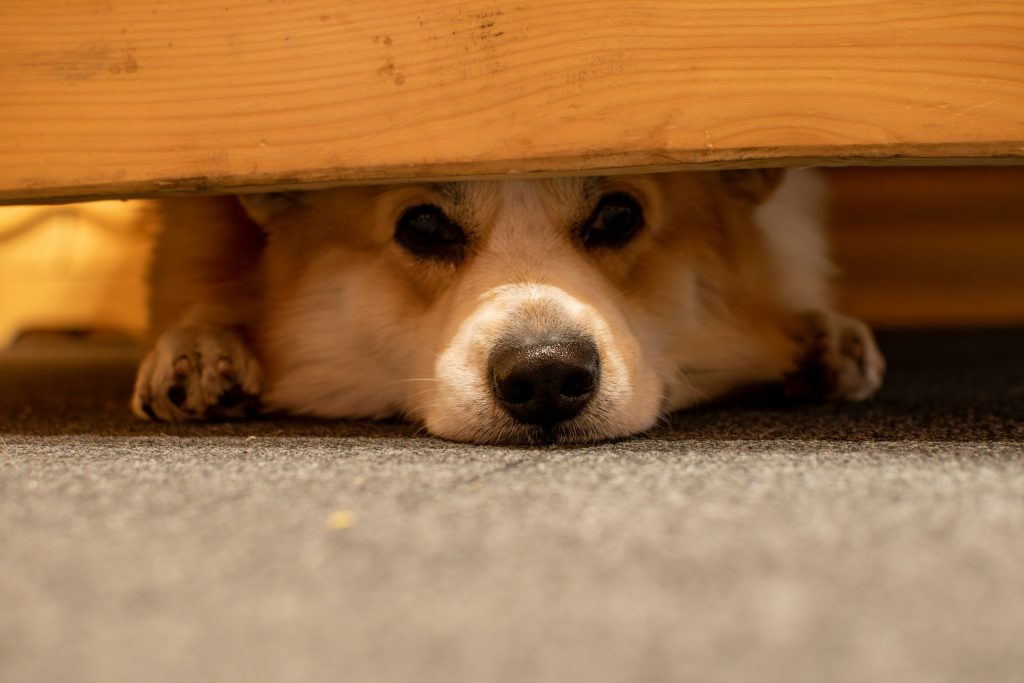
Hiding in corners or under furniture
Dogs often seek solitude when they don’t feel well. They may hide more often or seem uninterested in their surroundings.
Lack of interest in family members
Even the most affectionate dogs can become distant as they prepare for the end, which can be devastating for their families.
7. Mobility Issues
Trouble standing or walking
If your dog is having a hard time getting up, stumbling, or dragging their legs, it could be more than just arthritis.
Reluctance to climb stairs or jump
You may notice your dog avoiding stairs or struggling to get into their favorite chair or bed, indicating pain or weakness.
8. Unusual Behavior or Confusion
Disorientation and pacing
Wandering aimlessly, getting stuck in corners, or staring into space can be signs of cognitive dysfunction or neurological decline.
Changes in sleep-wake cycles
Dogs nearing the end often confuse night and day, staying awake all night and sleeping all day.
9. Vomiting and Digestive Distress
Frequent nausea
If your dog vomits regularly, especially if they haven’t eaten, it’s a cause for concern.
Blood in vomit or stool
Blood is always a red flag. It could indicate internal bleeding or organ failure, both of which need immediate attention.
10. Chronic Pain or Discomfort
Whimpering, shaking, or restlessness
If your dog cries out, pants, or trembles often, it may be due to chronic pain they can’t verbalize.
Signs your dog is suffering
Pay attention to your dog’s body language—ears back, tail tucked, avoiding movement—all these suggest they’re hurting.
11. Your Vet Confirms the Signs
Professional confirmation of declining health
Even if your instincts tell you something is wrong, it’s crucial to consult your vet. They can run tests and give a clear picture.
Discussing palliative care or euthanasia options’
Sometimes the kindest choice is letting go. Vets can help guide you through hospice care or humane euthanasia when the time comes.
How to Emotionally Prepare
Grieving before the loss
It’s perfectly normal to start mourning before your pet passes. This anticipatory grief can be just as intense as after-loss grief.
Being present and comforting your dog
Spend quality time together. Speak softly, offer gentle pets, and make them as comfortable as possible in their final moments.
When It’s Time to Say Goodbye
Making the decision out of love
The hardest part is knowing when to say goodbye. But letting go can sometimes be the most selfless act of love.
Honoring their memory
Create a memory box, plant a tree, or make a photo album. Celebrate the joy they brought into your life.
Conclusion
Watching your dog’s health decline is gut-wrenching. But understanding the signs that your dog may be nearing the end helps you cherish their last days with the dignity and love they deserve. Always consult your vet and trust your instincts. Being by their side in their final moments is the greatest gift you can give them—for all the years they’ve given you their unconditional love.
FAQs
1. How do I know if my dog is in pain?
Look for signs like limping, whining, panting, and changes in behavior or appetite. If in doubt, consult your vet.
2. What should I do if my dog stops eating?
Try offering soft or warm foods. If they still refuse, it’s time to see your vet—it could indicate serious health issues.
3. Can old age alone cause these signs?
Some signs, like slower movement or mild confusion, can be due to age. But multiple or severe symptoms usually indicate something more serious.
4. Should I let my dog die naturally at home?
It depends. Natural death can be peaceful, but not always. Talk to your vet about what’s best for your dog’s comfort.
5. How do I cope with the loss of my pet?
Grieving is natural. Talk to friends, join pet loss groups, or even speak with a therapist. Remember, it’s okay to mourn deeply for your dog.