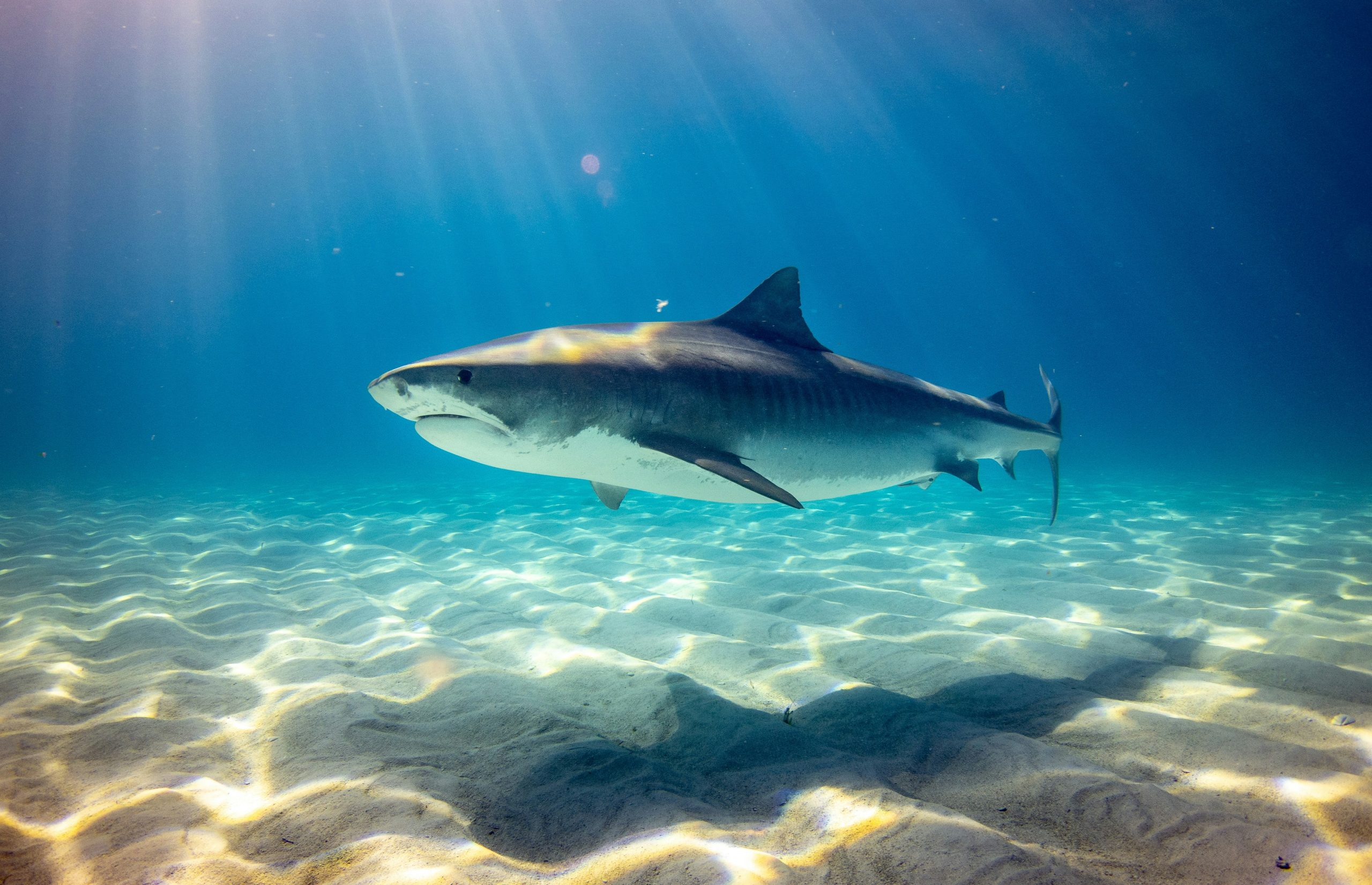
One issue that really remained with me was, “Why don’t we ever see great white sharks in aquariums when so many other marine animals are?”
It was like magic the first time I went to the Miami Seaquarium. I was amazed by the strong sea creatures and the amazing shows. It changed how I perceived ocean life forever.
But as time went on and I thought more about it, I started to think about the bigger moral issues that come up when enormous marine species are kept in captivity.
The answer is more sad than you might think.
If you’ve ever wondered why aquariums never have great white sharks, the answer is sad and true: they just don’t live in captivity.
You may get up close and personal with dolphins, sea turtles, jellyfish, and many other water species at aquariums. The great white shark, on the other hand, is always missing.
Great whites are around the same size as other marine species that do well in tanks, but they need a lot more area than any aquarium can give them. They get confused, frightened, and sick quickly when they are kept in a cage. And sadly, every time they tried to keep them, they failed.
A History of Unsuccessful Attempts
The first known attempt to keep a great white shark in a tank was in 1955 at Marineland of the Pacific in Los Angeles. Unfortunately, the shark died the next day.
That same year, Marineland also tried to keep blue sharks, which had to be force-fed to stay alive. Divers had to manually open the sharks’ mouths and put food in, which shows how strange it was for them to be kept in cage.
The park attempted again in 1981, this time with a one-year-old female great white shark. They thought her youth and size would help her get used to it. The 58-inch, 50-pound shark died within a week, even though it was being watched constantly.
Since then, a lot of other places have tried to keep great whites in cages. Every time, the shark had to be released early or died soon after. At the Monterey Bay Aquarium, a great white shark lived for only 16 days, which is the longest time an aquarium has ever kept one. Still, the shark died soon after being put back in the wild.
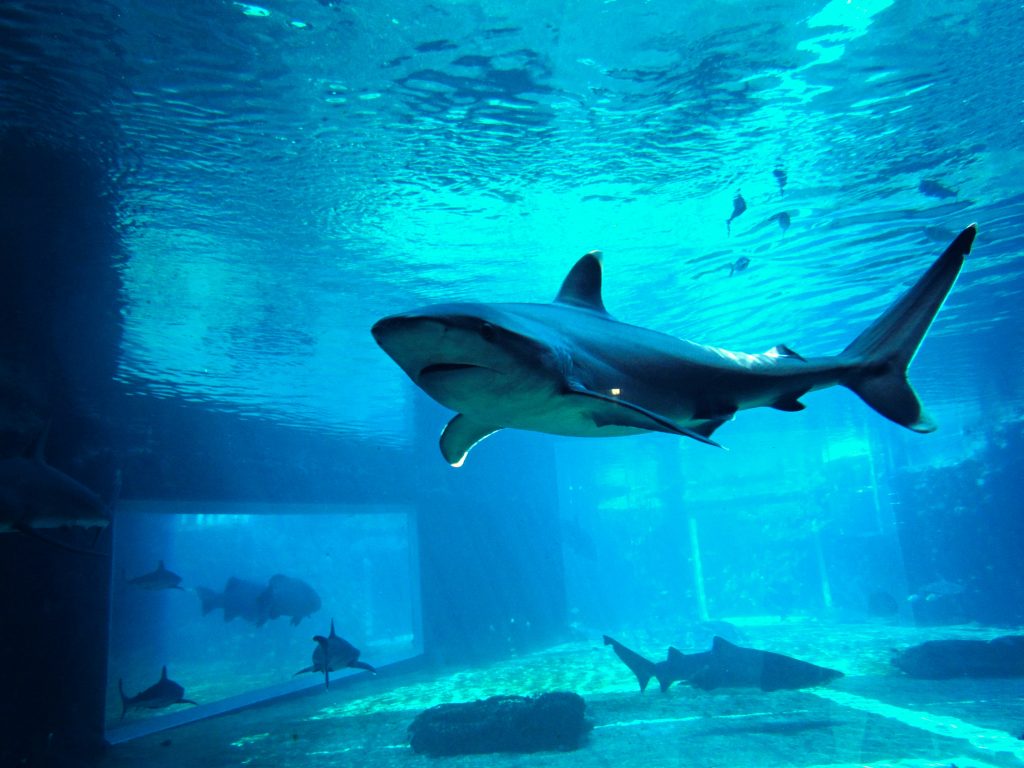
Why They Can’t Live in Tanks
There are a number of reasons why great white sharks can’t live in tanks:
- Diet: They are carnivorous hunters who eat live animals like seals, rays, and tuna. Giving them this kind of food in an aquarium is not only costly but also upsetting for people who come to see it.
- Always Moving: Great whites have to swim all the time to get air. They can’t stop moving or swim backward because they need water to flow past their gills to get oxygen.
- Size & Space: Most aquariums can’t afford or have the room for the huge tanks that would be needed to house them in a way that lets them act naturally.
But the most crucial thing is that they just don’t adapt to being kept in a cage.
A lot of sharks quit eating, are depressed, and sometimes hurt themselves. Shark Bookings says, “Great white sharks kept in tanks have been known to head butt their noses into the glass walls and lose their appetites… they get more aggressive when they’re depressed.”
Some Animals Should Be Free
The fact is unpleasant but clear: great white sharks don’t do well in aquariums. They should be in the wild, swimming freely through the broad ocean.
The next time you go to an aquarium, take a moment to think about not only what you see, but also what you don’t see. The great white shark is one species that will always belong in the sea, not in a tank.